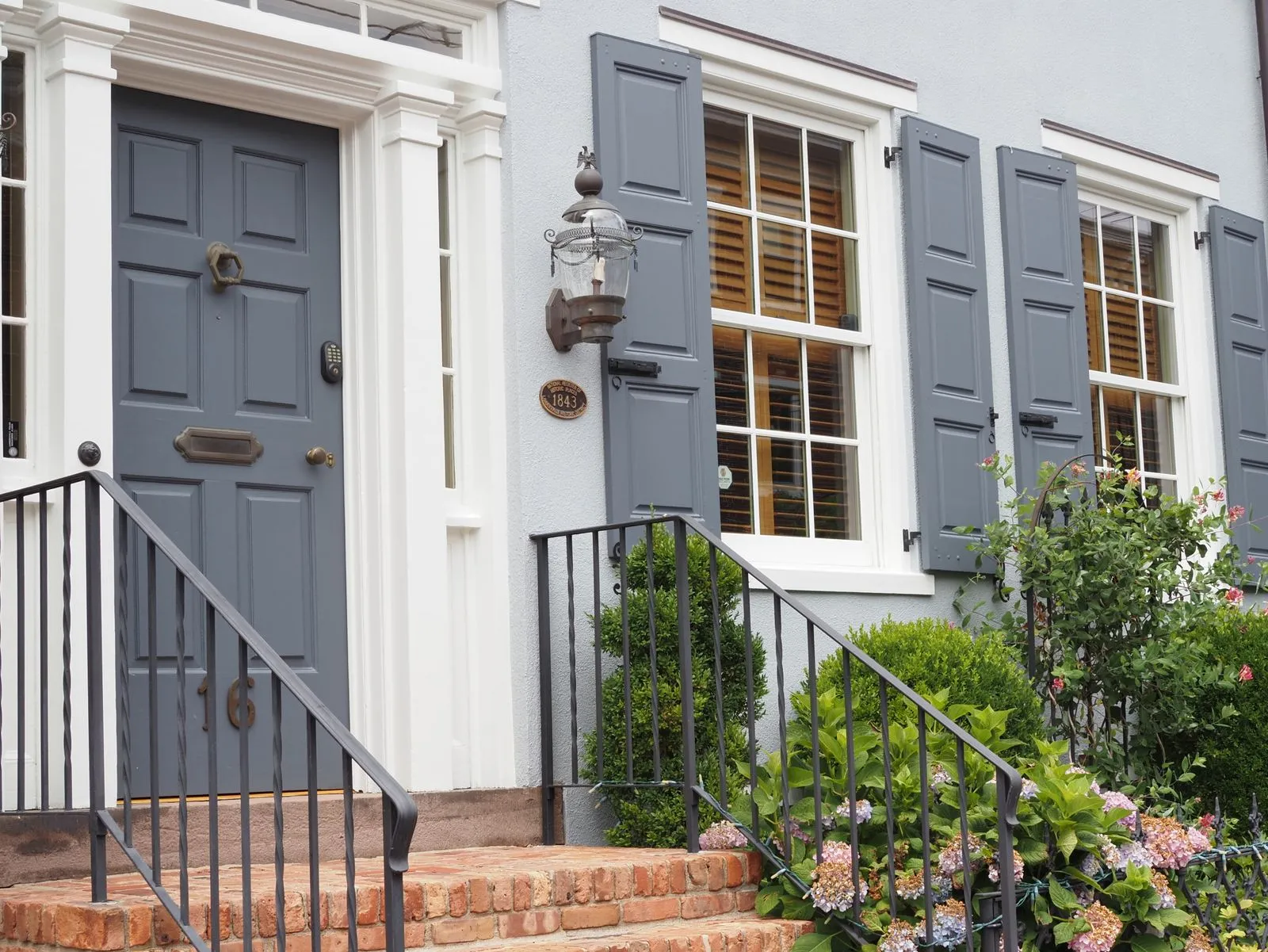
Choosing a deadbolt involves more than matching the finish to your front door. The right lock should suit how you use the entrance, the door’s construction, and any glass nearby. In Vancouver, rain and regular damp conditions also make durable materials and a sound installation worthwhile considerations. Compare the main deadbolt types, understand what a keyway affects, and check your door before buying so the lock works reliably and fits your household.
Compare Deadbolt Types
A single-cylinder deadbolt uses a key outside and a thumb turn inside. It is a common choice for solid residential doors because you can lock or unlock it from indoors without a key. It is usually practical for a main entrance, but consider nearby glass: someone might be able to reach the thumb turn after breaking a pane.
A double-cylinder deadbolt requires a key on both sides. It can reduce the risk of someone reaching an interior thumb turn through glass, but it creates a safety tradeoff: occupants need a key to exit through that door. Think carefully about emergency egress, household needs, and applicable local requirements before selecting this type.
Keypad and smart deadbolts allow entry with a code or compatible device, and some models retain a key cylinder as backup. Check battery access, backup entry options, code management, and whether the lock fits your door. Choose features you will actually use; a simpler mechanical deadbolt may be a better fit if you prefer not to manage electronics.
Understand Keyways and Keys
The keyway is the opening and internal profile that accepts a key. It affects which keys can operate the lock and whether the deadbolt can be keyed alike with other locks. If you want one key for several doors, identify the existing lock brand and keyway before purchase; matching appearance alone does not guarantee compatibility.
Some cylinders offer restricted key duplication through authorized providers, while standard keys may be easier to copy. Ask who can obtain duplicates and what identification or authorization is required. Restricted keys can help a household manage copies, but they also make replacements less convenient if keys are lost or you need another authorized copy.
When replacing a deadbolt, take an existing key or clear photos of the lock and cylinder to a locksmith or retailer. Avoid assuming a new cylinder will fit an older lock body. If you are changing locks after moving in or losing a key, rekeying compatible hardware may be an option; a professional can confirm whether the existing deadbolt supports it.
Check the Door Before Buying
Measure the door thickness and the distance from its edge to the center of the existing bore hole, called the backset. Also check the hole diameter and the space around the door edge. Deadbolts often support a range of measurements, but confirm the product specifications rather than relying on a visual match.
Consider the door material and condition. A solid wood or metal door generally provides a firmer base than a hollow or damaged door. The bolt should extend fully into a sturdy strike plate, and the door should close without forcing the bolt. Loose hinges, a shifting frame, or a misaligned strike can undermine smooth operation and should be corrected as part of the job.
Inspect the frame and strike area, not just the lock. A longer strike plate secured with appropriate screws can help anchor the bolt into the framing, provided the installation suits the door and frame. On older homes, unusually thick doors, metal frames, or doors with sidelights, confirm compatibility before drilling or enlarging holes.
Plan for Vancouver Conditions
For an exposed entrance, choose hardware intended for exterior use and check the manufacturer’s guidance for corrosion resistance and maintenance. Vancouver’s wet weather can affect exposed finishes over time. Keep the keyway clear of grit and moisture, and use only a lubricant recommended for that lock rather than household oil, which can attract dirt.
A deadbolt should extend and retract smoothly with the door both open and closed. If it binds only when closed, the problem may be door alignment rather than the lock itself. Address sticking promptly; forcing the key or thumb turn can damage the cylinder and leave you unable to secure or open the door.
Before installation, confirm whether the deadbolt must meet building, fire, insurance, or strata requirements for your particular home. This matters especially when a lock changes how occupants exit or when a shared building has rules for exterior hardware. If the fit is uncertain, a local locksmith can assess the door and explain suitable options.
Start with the door’s measurements and condition, then choose a deadbolt type that balances security with safe, convenient exit. Confirm keyway compatibility and exterior durability before buying, and address any frame or alignment issues during installation. For help checking a door or comparing compatible options, contact Vancouver Keyworks.